




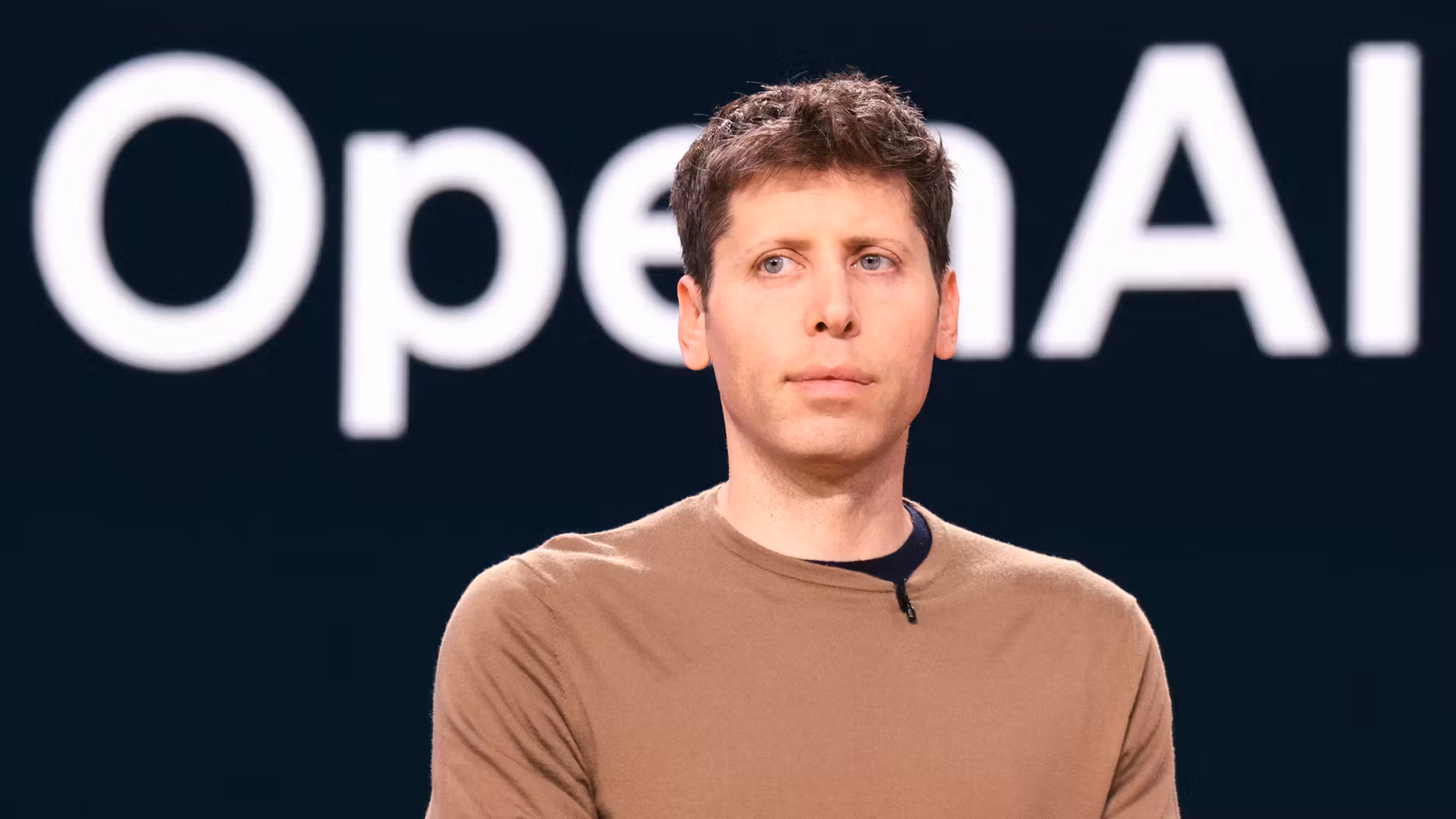
OpenAI, the powerhouse behind ChatGPT, has just unveiled its own version of an app store, seamlessly integrated into its AI platform. This bold move, announced at OpenAI's DevDay event, could reshape how developers build, distribute, and monetize apps while giving users a more interactive, AI-driven experience.
As we dive into the details, it's clear this isn't just another feature rollout—it's a strategic play that could disrupt the multi-billion-dollar app store duopoly.
The Big Reveal: What OpenAI is Bringing to the Table
At the heart of this launch is OpenAI's vision for a "new generation of apps" that are interactive, adaptive, and personalized. Unlike traditional apps that require downloads and separate interfaces, these will live directly within ChatGPT, allowing users to engage with them through natural language conversations. Imagine asking Spotify to curate a playlist based on your mood or querying Zillow for homes in a specific neighborhood—all without leaving the ChatGPT window.
The rollout kicks off with a select group of launch partners, including heavyweights like Spotify, Zillow, Booking.com, Canva, Coursera, Figma, and Expedia. More are on the horizon, such as AllTrails, Khan Academy, Instacart, Peloton, Target, Tripadvisor, and Uber, expected to join later in 2025. For users, the integration is user-friendly: the first time you mention an app in a query, ChatGPT prompts you to connect it and choose what data to share, ensuring privacy controls are front and center.
OpenAI isn't stopping at partnerships. They've introduced an app software development kit (SDK) that empowers developers to create custom apps tailored for ChatGPT. Submissions for review and publication will open later this year, with monetization details to follow. This includes tying into OpenAI's new commerce functionality, enabling seamless in-app purchases—think buying concert tickets or booking a hotel room right in the chat.
To make discovery easier, OpenAI is launching a dedicated app directory where users can browse options. Apps that excel in design and functionality will get prime placement, both in the directory and within ChatGPT recommendations, incentivizing high-quality development.
Why This Matters for Businesses and Developers
From a business perspective, OpenAI's app store taps into an enormous audience: ChatGPT boasts 800 million weekly active users, as revealed by CEO Sam Altman during the announcement. That's a built-in market that's hard to ignore, especially for developers looking to scale quickly without the hefty fees associated with Apple and Google's stores (which typically take a 30% cut).
Altman himself emphasized the potential: "This will enable a new generation of apps that are interactive, adaptive, and personalized — that you can chat with." He added that it could help developers "rapidly scale products," hinting at faster growth cycles in an AI-centric world.
For established players like Apple and Google, this is a wake-up call. Their app stores have faced scrutiny over monopolistic practices, including ongoing legal battles (remember Epic Games' lawsuit against Apple?). OpenAI's alternative could lure developers away by offering a more innovative, AI-native platform with potentially lower barriers to entry. In the long run, this might pressure the incumbents to evolve, perhaps by integrating more AI features or rethinking their revenue models.
On the flip side, businesses partnering with OpenAI stand to gain. Brands like Spotify and Zillow can reach users in a conversational context, boosting engagement and conversions. For smaller developers, the SDK opens doors to experiment with AI-driven apps, fostering innovation in sectors like e-commerce, education, and entertainment.
Potential Challenges and the Road Ahead
Of course, no launch is without hurdles. OpenAI will need to navigate app review processes to maintain quality and security, especially with sensitive data sharing involved. Monetization details are still under wraps, so developers will be watching closely to see if the economics stack up against traditional stores. Additionally, regulatory eyes might turn to OpenAI if this ecosystem grows too dominant, echoing the antitrust concerns plaguing Apple and Google.
Looking forward, this could accelerate the shift toward AI as the new operating system. As Altman put it, we're moving toward apps you "chat with," blurring the lines between search, assistance, and action. For businesses, adapting to this means rethinking user interfaces and exploring AI integrations to stay competitive.
Final Thoughts: A Pivotal Moment in Tech
OpenAI's app store isn't just an add-on—it's a declaration of intent to redefine the app landscape. By challenging Apple and Google head-on, OpenAI is betting on AI's ability to create more intuitive, personalized experiences that could render traditional app stores obsolete. Whether this sparks a revolution or merely adds another layer to the ecosystem remains to be seen, but one thing's certain: the tech industry just got a lot more interesting.
Comments (0)