




In a monumental shift for the video game sector, Electronic Arts (EA), the powerhouse behind beloved franchises like Madden NFL, Battlefield, and The Sims, has agreed to be acquired in a $55 billion all-cash transaction. This deal, announced on September 29, 2025, marks the largest private equity buyout in history and will take the company private, freeing it from the pressures of public market scrutiny.
The consortium leading the acquisition includes Saudi Arabia's Public Investment Fund (PIF), private equity giant Silver Lake Partners, and Affinity Partners, the firm founded by Jared Kushner.
This acquisition comes at a pivotal time for EA, which has faced stagnant revenues in recent years, hovering between $7.4 billion and $7.6 billion annually. By going private, EA can focus on long-term strategies without the quarterly earnings treadmill that often plagues public companies.
The deal offers EA shareholders $210 per share, representing a 25% premium over recent trading prices, and is expected to close in the first quarter of 2027, pending shareholder approval.
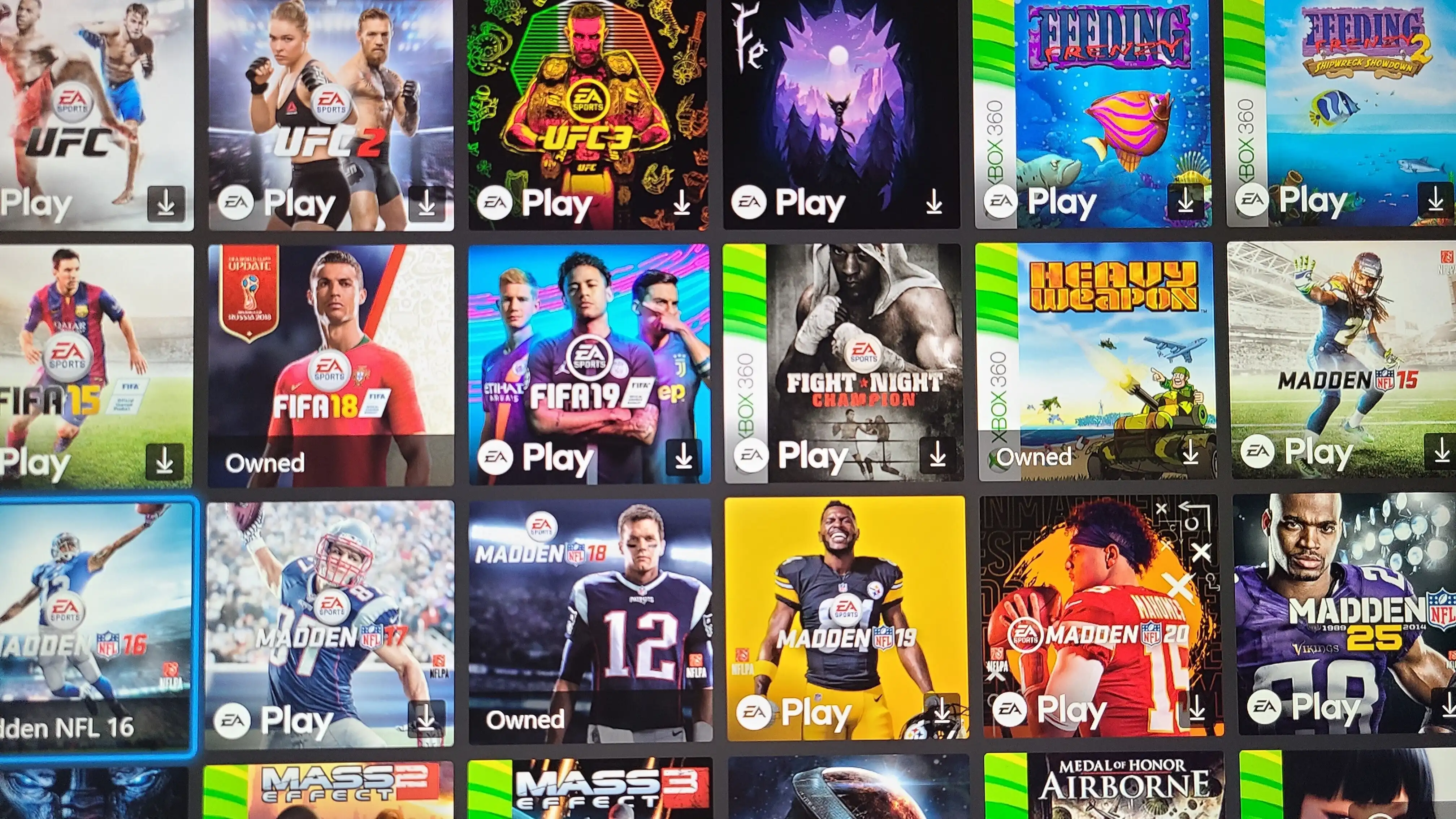
The gaming industry is no stranger to mega-deals; Microsoft's $69 billion acquisition of Activision Blizzard in 2023 set a high bar. However, EA's buyout diverges by going private, potentially allowing for bolder risks in areas like mobile gaming and esports, amid rising competition from Epic Games and others. While cost-cutting, including recent layoffs of about 5% of its 14,500 workforce, has been mentioned, no specific plans have been announced post-acquisition.
Reactions on social media highlight excitement and skepticism. Gaming influencer
The consortium leading the acquisition includes Saudi Arabia's Public Investment Fund (PIF), private equity giant Silver Lake Partners, and Affinity Partners, the firm founded by Jared Kushner.
This acquisition comes at a pivotal time for EA, which has faced stagnant revenues in recent years, hovering between $7.4 billion and $7.6 billion annually. By going private, EA can focus on long-term strategies without the quarterly earnings treadmill that often plagues public companies.
The deal offers EA shareholders $210 per share, representing a 25% premium over recent trading prices, and is expected to close in the first quarter of 2027, pending shareholder approval.
The Key Players Behind the Deal
Saudi Arabia's Public Investment Fund (PIF)
PIF, already EA's largest insider stakeholder with a 9.9% stake, is rolling over its investment into the new private entity. This move aligns with PIF's aggressive push into the gaming industry since 2022, including minority stakes in major publishers and outright acquisitions of companies like ESL, FACEIT, and Scopely. Through its Savvy Gaming Group, PIF aims to scale its influence in entertainment, viewing gaming as a key pillar of Saudi Arabia's economic diversification beyond oil. Analysts note this as PIF's most ambitious gaming play yet, potentially reshaping the industry's landscape.Silver Lake Partners
Silver Lake, a technology investment specialist, brings extensive experience in high-profile buyouts. The firm previously acquired Skype for $1.9 billion in 2009 and led the $24.9 billion privatization of Dell in 2013, which later returned to public markets after restructuring. More recently, Silver Lake has been involved in the U.S. oversight deal for TikTok. Their involvement signals confidence in EA's potential for operational improvements and innovation in a competitive market.Affinity Partners
Led by Jared Kushner, former advisor to President Donald Trump and his son-in-law, Affinity Partners adds a layer of political intrigue to the deal. Kushner, who has personal ties to Saudi leadership, expressed admiration for EA's "iconic, lasting experiences" and excitement about its future. The firm's participation has sparked discussions on international investment ties, especially given PIF's involvement.Implications for EA and the Gaming World
EA's headquarters will remain in Redwood City, California, with CEO Andrew Wilson continuing to lead the company—a continuity that reassures fans and employees alike. Founded in 1982 by Trip Hawkins, EA has evolved from analog sports simulations to a digital empire, going public in 1989 at a split-adjusted 52 cents per share. This privatization ends its 36-year public run and surpasses the previous record buyout of TXU Energy for $32 billion in 2007.The gaming industry is no stranger to mega-deals; Microsoft's $69 billion acquisition of Activision Blizzard in 2023 set a high bar. However, EA's buyout diverges by going private, potentially allowing for bolder risks in areas like mobile gaming and esports, amid rising competition from Epic Games and others. While cost-cutting, including recent layoffs of about 5% of its 14,500 workforce, has been mentioned, no specific plans have been announced post-acquisition.
Reactions on social media highlight excitement and skepticism. Gaming influencer
@AR12Gaming
called it "a new era for one of gaming’s biggest publishers," noting the premium and leadership stability. Meanwhile, @Pirat_Nation
broke the news with visuals of the announcement, garnering thousands of engagements. Some users, like @andrewgachanja
, speculated on broader tech connections, linking it to recent announcements like xAI's game studio.What’s Next for the Industry?
This deal underscores the growing intersection of sovereign wealth, private equity, and entertainment. For EA, privatization could unlock creative freedoms, but it also raises questions about foreign influence in U.S. tech and gaming. As PIF continues its "gaming is the new oil" strategy, expect more investments that could consolidate power in the sector.
Login or create account to leave comments
Comments (0)